Laser Cut Metal Parts for Automation Equipment: Brackets, Panels and Small-Batch Components
Learn how laser cut metal parts support automation equipment, including mounting brackets, flat panels, covers, plates, small-batch components, material choices, finishes, tolerances, and quote details.
Laser cut metal parts for automation equipment are used in many practical machine structures. They may look simple, but brackets, panels, covers, mounting plates, sensor plates, and small metal components often decide whether a machine is easy to assemble, stable during operation, and convenient to maintain.
In automation projects, metal parts are not only decorative pieces. They support motors, sensors, fixtures, control boxes, guards, and machine frames. A good laser cut part should match the drawing, material, thickness, bending requirement, surface finish, tolerance need, and real installation environment.
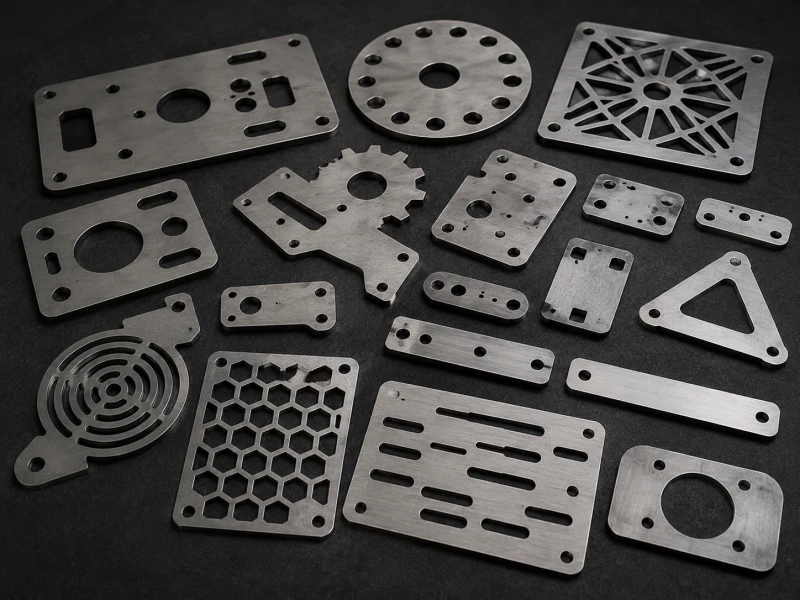
1. Why Automation Equipment Uses Laser Cut Metal Parts
Automation equipment often requires many flat and formed metal parts. Some parts are used for structure, some for protection, and some for mounting. Laser cutting is useful because it can produce clean outlines, holes, slots, openings, and repeatable shapes from digital drawings.
For small-batch automation projects, laser cutting is especially practical. It allows engineers, machine builders, and project buyers to test brackets, panels, and covers before moving to larger production quantities.
- Mounting brackets for motors, sensors, cylinders, and fixtures.
- Flat panels for machine covers, guards, and control sections.
- Mounting plates for electrical boxes, guide rails, and machine modules.
- Custom cutouts for cables, connectors, fasteners, and ventilation.
- Small-batch components for prototype machines and custom equipment.
Practical tip: Before sending a quote request, prepare the drawing file, material, thickness, quantity, bending requirement, surface finish, tolerance requirement, and application details.
2. Common Laser Cut Parts in Automation Machines
Automation equipment can use many different laser cut metal parts. Some are visible on the machine exterior, while others are hidden inside the structure. Even simple parts need accurate hole positions, clean edges, suitable thickness, and proper finish.
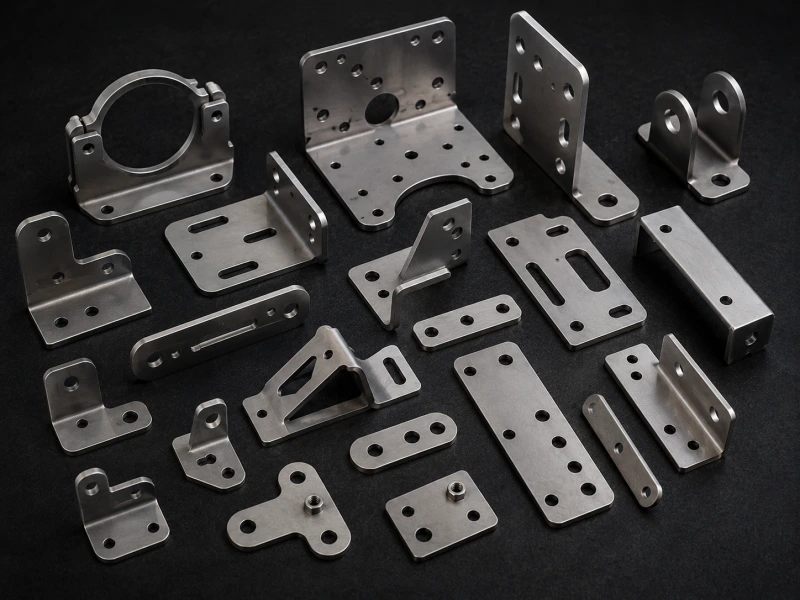
3. Laser Cut Brackets for Motors, Sensors and Fixtures
Laser cut brackets are common in automation equipment because they help position parts accurately. A bracket may hold a sensor, a small motor, a pneumatic cylinder, a guide rail, a fixture plate, or a protective cover. The bracket shape may be flat, bent, slotted, or combined with other parts.
When designing brackets, hole position, slot length, bending direction, edge distance, and material thickness should be checked. If the bracket needs strength, the part may require thicker material, ribs, bends, or additional support.
4. Panels, Covers and Guards for Machine Protection
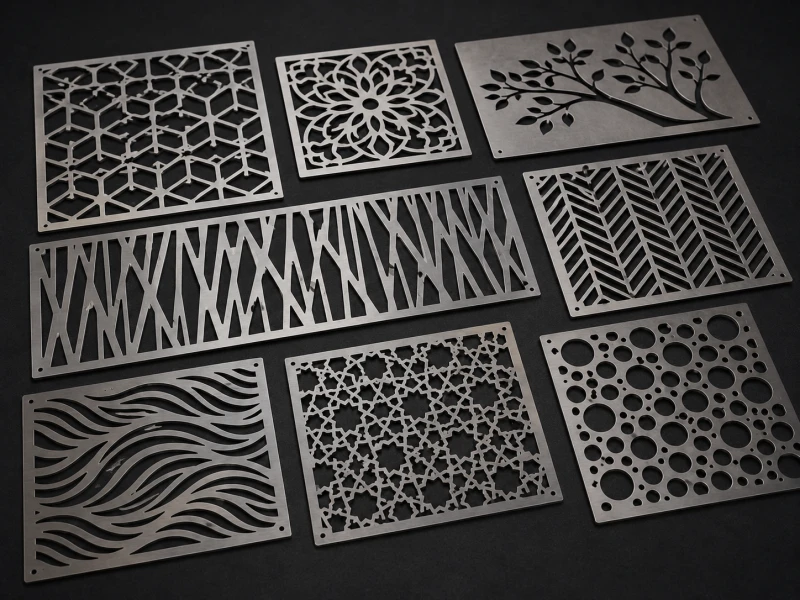
Laser cut panels and covers are used to protect machine sections, cover cables, improve appearance, and reduce accidental contact with moving parts. These parts may include ventilation holes, cable openings, screw holes, inspection windows, and access slots.
A panel for automation equipment should be easy to install and remove. For maintenance, engineers may need quick access to internal components. This means screw positions, handle holes, hinge areas, and clearance space should be considered before production.
5. Material Choices for Laser Cut Automation Parts
Material selection depends on strength, weight, surface finish, cost, corrosion resistance, and application environment. For many automation equipment parts, common materials include stainless steel, aluminum, carbon steel, and galvanized steel.
6. Thickness, Tolerance and Hole Position
Automation parts often need accurate hole positions because they connect with motors, sensors, rails, frames, and other components. A small hole position error may cause assembly difficulty. For this reason, drawings should clearly show hole size, slot size, bending lines, tolerances, and any critical dimensions.
Thickness should match the part function. Thin panels may be enough for covers, while brackets and mounting plates may require thicker material. If the part will carry load or resist vibration, the design should be reviewed carefully before cutting.
- Confirm hole diameter and center distance.
- Mark important tolerances on the drawing.
- Check bending direction and inside radius.
- Leave enough edge distance around holes and slots.
- Confirm whether the part needs deburring or surface finishing.
7. Surface Finishes for Automation Equipment Parts
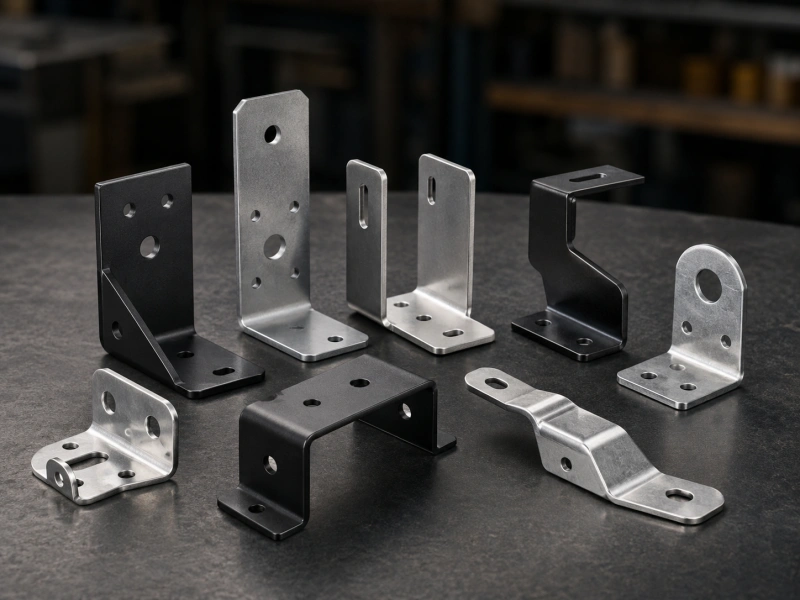
Surface finish affects appearance, protection, and handling. Some automation parts only need deburring, while others need brushing, powder coating, painting, plating, anodizing, or polishing. Covers and visible panels usually need better appearance than hidden mounting plates.
Powder coating is often used for carbon steel covers and brackets. Brushed stainless steel is suitable for visible panels and premium machine parts. Aluminum parts may use anodizing or other surface treatment depending on the design and application.
Quick Finish Checklist
Confirm these finish details before production:
- Is the part visible or hidden inside the machine?
- Does it need corrosion resistance?
- Does it need a specific color?
- Does it need deburring, brushing, powder coating, plating, or anodizing?
- Does the finish affect hole fit or assembly clearance?
8. Small-Batch Laser Cut Parts for Prototype Machines
Many automation projects start with a prototype or small production batch. In this stage, laser cut parts are useful because the design may still change. Engineers may need to adjust hole positions, part shapes, bracket angles, or mounting slots after testing.
Small-batch production allows the customer to test the structure before ordering more parts. It is suitable for new automation machines, custom fixtures, inspection systems, packaging equipment, assembly machines, and special-purpose equipment.
9. Connection with Motion Control and Automation Systems
Laser cut metal parts often work together with motion control components in automation equipment. For example, brackets and mounting plates may support motors, sensors, gearboxes, rotary tables, slides, and control modules. When the metal structure and motion components fit well, the machine is easier to assemble and maintain.
For automation projects that also require motion control components such as servo gearboxes or precision reducers, you may also review related motion products from PlanetDrivePro planetary gearbox solutions. This type of external reference is useful when the metal parts are part of a broader automation equipment design.
10. What to Send for a Laser Cut Metal Parts Quote
A clear quote depends on clear information. If you need laser cut metal parts for automation equipment, send as much detail as possible. Drawings are especially important because hole positions, slots, bending lines, and overall dimensions affect production cost and feasibility.
Laser Cut Parts Quote Checklist
Send these details to make quotation faster and more accurate:
- Drawing file: DXF, DWG, STEP, PDF, AI, SVG, or clear reference drawing.
- Material: stainless steel, aluminum, carbon steel, galvanized steel, or other metal.
- Thickness and quantity.
- Bending, welding, drilling, tapping, or assembly requirements.
- Surface finish: deburring, brushing, powder coating, painting, plating, or anodizing.
- Critical tolerances and hole position requirements.
- Application details and delivery country.
FAQ About Laser Cut Metal Parts for Automation Equipment
What laser cut metal parts are used in automation equipment?
Common parts include mounting brackets, machine panels, covers, guards, sensor plates, motor plates, flat components, fixture plates, and small custom metal parts.
What materials are suitable for automation metal parts?
Stainless steel, aluminum, carbon steel, and galvanized steel are commonly used. The best choice depends on strength, weight, surface finish, corrosion resistance, and application environment.
Can laser cut parts be bent after cutting?
Yes. Many parts are laser cut first and then bent, drilled, tapped, welded, or finished. Bending direction, angle, and radius should be shown clearly in the drawing.
Can I order small-batch laser cut metal parts?
Yes. Small-batch production is useful for prototypes, custom automation equipment, special fixtures, and design testing before larger production.
What files should I send for a quote?
DXF, DWG, STEP, PDF, AI, SVG, or clear drawings are helpful. Also send material, thickness, quantity, finish, tolerance requirements, and application details.
Related Custom Metal Product Options
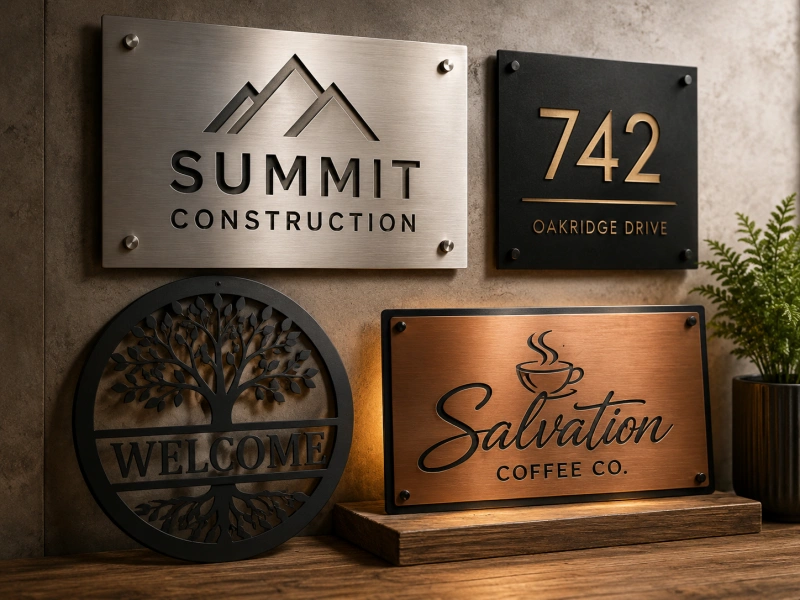
Need Laser Cut Metal Parts for Automation Equipment?
Send your drawing, material, thickness, quantity, bending requirement, finish, tolerance needs, and delivery country. CraftMetal Works will help review your laser cut metal parts project and provide a practical quotation.
Request a Quote